

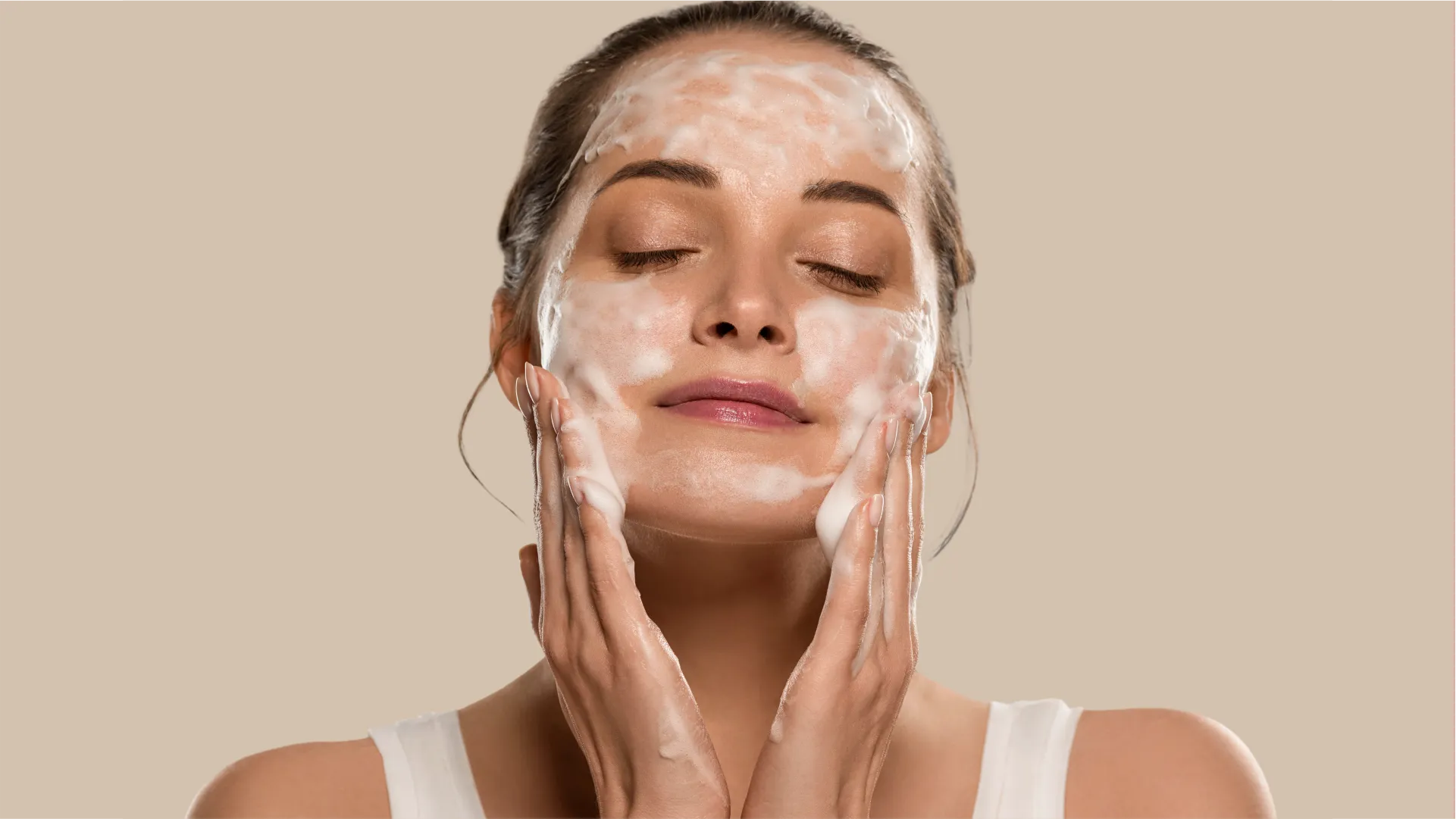
The first step to selecting the right face wash is to know what is required of your skin and not to follow the fads. An appropriate cleanser must be able to remove dirt, oil, and impurities and leave the skin feeling comfortable.
Face wash is typically regarded as one of the simplest cleansing products, yet it does more than just take away visible dirt in daily skin care. During the day, the skin is exposed to pollution, sweat, excessive oil, residues of makeup, dust particles, and environmental impurities. When left on the skin long periods of time, they can be a cause of discomfort, clogged pores or an unclean feel. Frequent washing will eliminate these impurities and will prepare the skin to take other skincare procedures.
The best face wash is something that people are often in search of, and they want a single product to fit all. Nevertheless, skincare requirements vary for each individual. What feels comfortable to one with oily skin might not be okay with someone with dry skin or sensitivity. That is why it becomes relevant to comprehend what types of face wash exist, what formulations, what are supposed to be used, and then make a purchase decision.
Did You Know?
Over-cleansing may sometimes leave skin feeling tighter instead of fresher.
There are various formulations of face washes due to the fact that skin issues and cleaning needs are different. Selecting without being familiar with these categories usually confuses, particularly when two or more options purport closely identical benefits. Understanding the functionality of various types will aid in reducing options based on comfort and use behaviors.
Various formulations can be washed by feel. Others will leave the skin refreshed, and others are more concerned with the softness or moisture content. The knowledge of these categories will minimize spontaneous purchases and allow individuals to make purchases based on real needs, not the claims made on packaging.
One of the initial steps that should be undertaken prior to choosing any face wash is knowledge of the type of skin, as it is the only way that cleansing requirements can be determined. The skin is usually classified into oily, dry, sensitive, normal, or combination. Depending on the type, each type does not act the same way, and this means that cleansing products can also act differently in relation to the user.
Individuals who have oily skin that feels greasy and shiny all day are likely to consider a face wash for oily skin, as it is a solution in the expectation of cleansing functionality without leaving the skin feeling dry after using the product. People who observe coarseness, tightness, or scaly feel might go searching for a face wash for dry skin, where milder cleansing is more crucial. Skin issues are not necessarily lifelong; weather, stress, pollution, and age can affect the way the skin responds with time.
The decision-making process under trends or advertisements usually results in the switching of products. It is more effective to see the feel of the skin after cleansing. Skin that is comfortable must not be too tight, oily, or rough right after washing.
When purchasing a face wash, many individuals consider packaging, smell, or fame, but ingredient lists can also be far more helpful than advertising can be. The ingredients employed in a formulation determine the way the cleanser behaves on the skin, whether they are able to maintain moisture balance, and the level of comfort of the skin after washing. The labels in reading can be discounted as small; however, it helps to eliminate unnecessary trial and error.
Certain ingredients are typically linked to milder cleansing or moisturizing effects, whereas others can be perceived to be strong based on the individual skin requirements.
Individuals who are keen on using face wash for glowing skin normally pay attention to ingredients that are linked with freshness or better skin. Nevertheless, the glow is typically affected by general skincare practices, hydration, lifestyle, consistency, and not cleansing itself.
Knowing what is in the products assists consumers to go beyond what is being marketed and to select products based on comfort, habit, and true needs.
You May Also Find These Blogs Helpful
There are various textures of face wash, as not everyone has the same cleansing preferences and needs. Comfort is usually determined by the sensation that is experienced when using a cleanser, and this is mostly applicable to individuals who have to wash their face several times a day. These are the categories that one can understand to make it easy to select and also avoid confusion in comparison of products.
Gel Face Wash
They are usually light and are usually picked by those who like refreshing, cleansing actions.
Foam Face Wash
Produces lather when cleansing and is often linked to intense cleansing experiences.
Cream Face Wash
Commonly chosen by individuals seeking gentler-feeling cleaning procedures.
Powder Face Wash
Activated by water and discussed in some of the modern skincare preferences.
It is not the texture that defines suitability. The gel or foam formula can be used in different ways, regardless of ingredients, concentration, and purpose. Long-term comfort is usually reliant upon compatibility in lieu of texture preference.
Face wash is not used by all people for the same reason. There are those who desire to take off the excess oil after being outside, and others just desire to have a comfortable cleanliness without becoming dry. The cleansing expectations are different, and therefore different formulations are made to promote different routines and preferences.
Sometimes, consumers who seek face wash for men are more concerned with deep cleansing because of outdoor exposure, sweating, shaving, or the environment. Nevertheless, real needs remain to be more gender-independent but rely on the skin type. Likewise, a person with dry skin might appreciate the ability of hydrating ingredients, rather than the powerful cleansing action.
Realizing the need for a cleanser is sometimes as important as the knowledge about skin type itself.
Did You Know?
The cleanser will not have the same experience in summer and winter, as weather changes can impact skin behavior.
When it comes to the face wash to use on a regular basis, it is more about looking at pretty packaging or trendy recommendations. Comfort after continuous use is more important than the initial impressions since cleaning products are not a one-time affair. A product that is refreshing initially might not necessarily be comfortable when used.
Individuals are usually inclined to have instant noticeable changes upon changing the products. Nevertheless, skincare practices usually do not need to be replaced regularly, but just be consistent. Choosing a cleanser that fits with everyday requirements tends to establish a more consistent routine.
A pragmatic style is based on comfort, compatibility, and long usage rather than temporary fashion.
A common pitfall is believing that costly products necessarily work better. In certain instances, price can determine the quality of formulation, but the appropriateness remains largely determined by the needs of the skin. The other common error is selecting the one based on smell or popularity without knowing what is in it.
People also often:
When comparing various products, some consumers fail to see how their lifestyle practices impact skin. The comfort of skin care can be as affected by sleep patterns, hydration, stress levels, diet, and exposure to the environment, as its selection.
These are not the only mistakes that should be avoided to ensure a good result, yet in many cases, unnecessary experimentation and frustration can be minimized.
Since 2020, the company has been involved in the personal care, hygiene, baby care, and healthcare industries by producing, distributing, exporting, and importing a variety of products used every day. The portfolio contains skincare necessities, hygiene products, diapers, wipes, haircare products, sanitary care products, and similar products that have been created to suit different consumer and business needs.
Having a focus on consistency of quality, hygienic operations, structured supply management, and reliable packaging requirements, the company has both local and international markets and serves wholesalers, distributors, retailers, and business purchasers.
Washing with the wrong face wash does not necessarily cause immediate discomfort. In most instances, the skin reaction builds up gradually with repetition. A cleanser can be very refreshing at first, but after some time will leave the skin tight, dry, greasy or uncomfortable post-wash. Since such changes occur with time, individuals tend to attribute such changes to weather or stress instead of evaluating their cleaning schedule.
Sometimes, it is possible that an inappropriate formulation affects the behavior of skin post-cleansing. A good case in point, robust cleansing recipes can cause a few to feel excessively dry, and the richer formulations can not feel comfortable to others. The aim of a face wash is not only to eliminate impurities but also to contribute to a balance and comfortable sensation after the face wash.
Some of the common indications that a cleanser might not be suitable include:
Apost facto is a good indicator of comfort after cleansing. An appropriate face wash must leave skin feeling clean but not too stripped or too heavy.
It is widely thought that washing the face several times will automatically enhance cleanliness, but washing the face frequently is not necessarily followed by increased comfort. The best frequency usually varies according to the skin, surroundings, exposure to sweat, and daily activities. A worker who spends a lot of time outside might not have the same cleansing habits as a worker who works indoors.
For many routines, face washing commonly happens:
In some cases, over-cleansing can also have an impact on the level of comfort due to repeated washing that can affect the natural balance of the skin. Conversely, less frequent washing can cause residue on the skin longer. A middle ground routine can be more useful than raising the frequency without any sense.
Regularity tends to be more important than over-cleanliness. The ones that seem to be sustainable in everyday life usually help in maintaining top-quality skincare routines.
More cleansing does not necessarily imply better cleansing; the balance is usually more relevant than frequency.
The ingredients are not the only factors that determine the quality of a face wash. The way of manufacturing affects the consistency of the formulations, the safety of packaging, the stability of storing the product, and the reliability of the product in general. Even the same lists of ingredients can behave differently with the development and maintenance of products.
Reliable manufacturing generally focuses on:
Branding or advertising is one of the main comparisons that people make about products, yet the production quality is a significant aspect of the overall experience. It is particularly important that consistency is given to skincare products that are in frequent use.
The knowledge of manufacturing standards will motivate consumers to move past labels and look at how products are manufactured, processed, and serviced before getting to consumers.
Selecting a face wash should be more than just another product in your routine. The correct cleanser must assist your skin type, routine practices, and comfort without making your face feel excessively dry or irritable. Considering ingredients, formulation, and cleansing requirements can aid in developing a more balanced skincare regimen in the long-term.
Not to be a follower of the trends, but knowing what your skin really requires can result in much more successful choices in the long run. Even slight alterations in daily habits can occasionally leave a discernible difference in the feel of skin.